
Scrap Metal Shears
How to Choose a Scrap Metal Shear
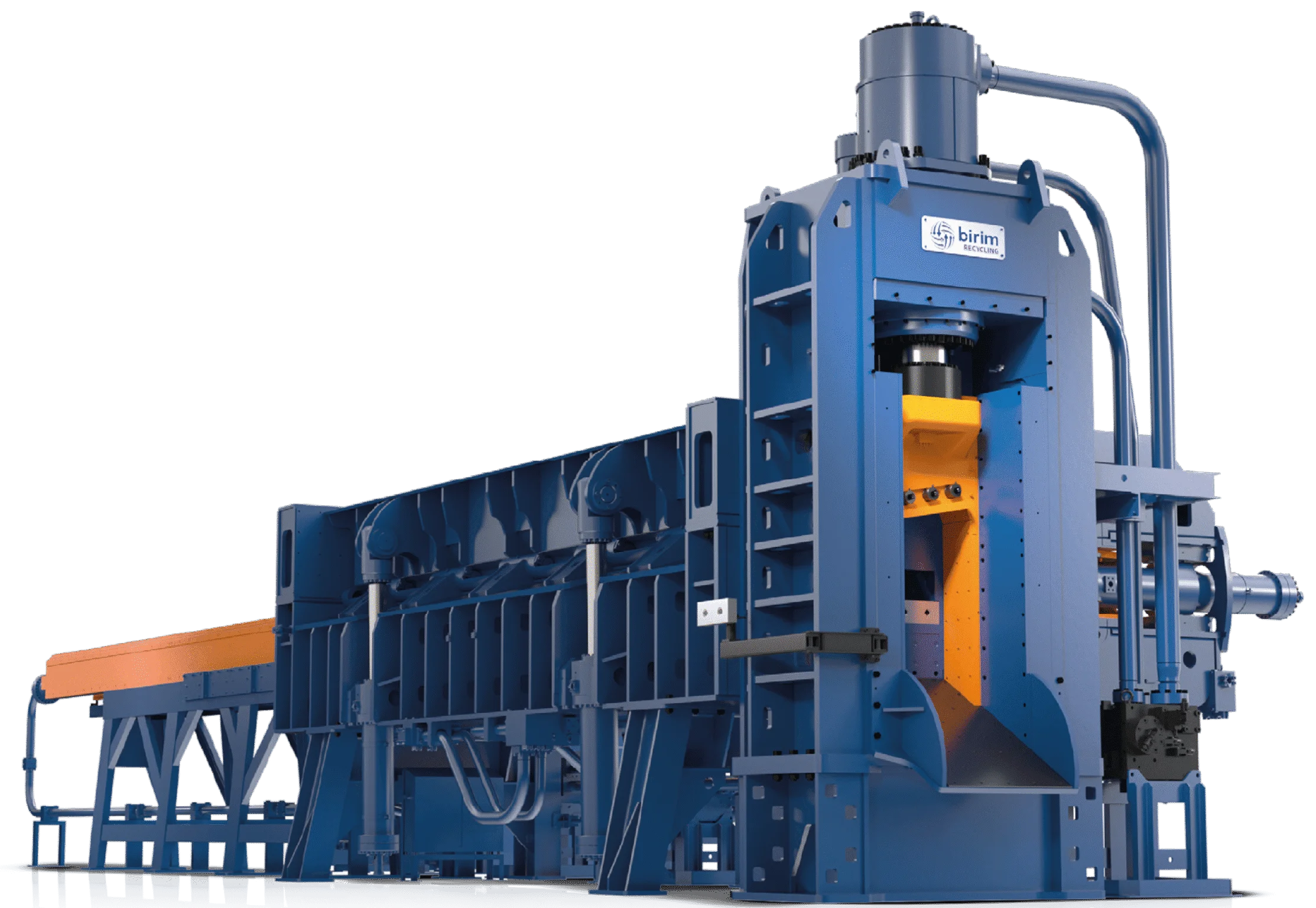
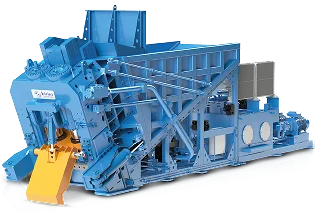
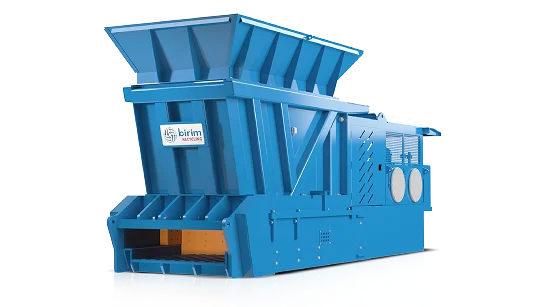
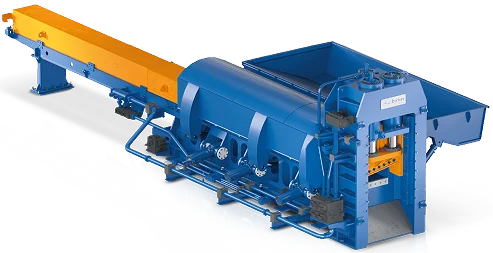
Birim Recycling manufactures scrap metal shears in four configurations, and the difference between them is how the material is compressed before the blade moves. Every model compresses heavy or light scrap to increase density first, which is what allows a full cross section to be cut on each stroke instead of loose, uneven material.
Published capacities across the range run from 4 to 90 tons per hour. A capacity figure on its own is not comparable between machines, because it applies to a defined scrap type, a defined feeding method and defined operating conditions. The material entering the machine is therefore the first thing to establish, and the configuration follows from it.
Shear configurations compared
| Model | Configuration | Capacity | Typical application |
|---|---|---|---|
| Orca | Side compression | 20-60 tons/hour | Stationary operation with a large feeding box for oversized scrap |
| Piranha | Inclined | 15-90 tons/hour | Continuous feeding at high volume, stationary, semi-mobile or mobile |
| Shark | Wing compression | 8-30 t/h shearing, 10-35 t/h baling | Sites that need both shearing and baling from one machine |
| Murenha | Container | 4-20 tons/hour | Mobile and semi-mobile processing of light to medium scrap |
What to establish before comparing models
- Scrap type and form. Published material lists across the range include HMS 1, HMS 2, Longs, Pipe, Profiles, Sheet, Shipbreaking Scrap, ELV, Mixed Scrap and Casting, and the exact list varies by model.
- Required capacity. Monthly or annual tonnage is a better basis than a peak day, because a machine sized for the peak stays underused the rest of the year.
- Output size. Cutting length can be selected according to the size the buyer accepts.
- Feeding method. The handling equipment around the shear normally sets the pace of the whole line.
- Mobility. Single-site yards are usually stationary; operators working across sites should look at mobile and semi-mobile versions.
Every shear in the range includes an advanced oil filtering system, automatic lubrication, non-contact sensors that prevent interruptions caused by dirt and falling scrap, and remote diagnosis and troubleshooting via modem connection. Cylinders and hydraulic systems are designed and manufactured in house.
Further reading: shearing force or throughput and choosing spare parts for scrap metal shears. To discuss a specific application, contact Birim Recycling with the material to be processed and the required output size.
