
Metal Scrap Balers
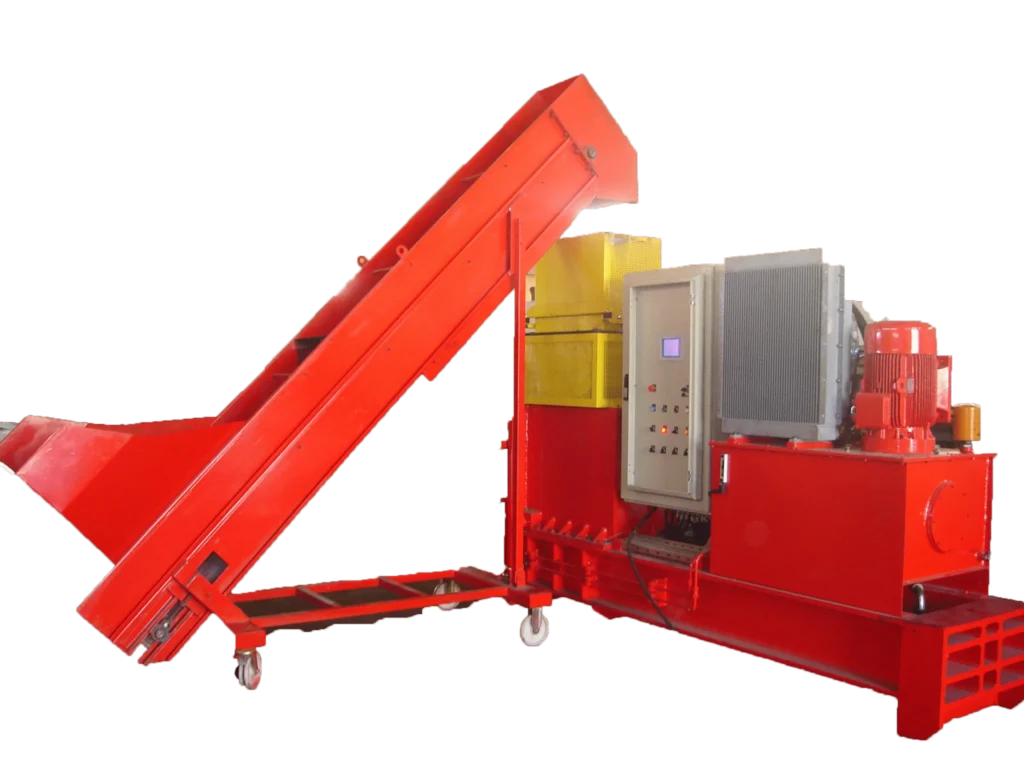
How to Choose a Metal Scrap Baler
A scrap metal baler compresses loose metal scrap into bales. Across the Birim Recycling range the same function is carried out through different compression, feeding and operating arrangements, and the right configuration follows from the material entering the machine rather than from the capacity figure alone.
Published capacities run from 0.8 to 65 tons per hour, and the range covers both broad input materials and clearly defined applications such as car bodies or used beverage cans.
Baler models compared
| Model | Type | Capacity | Suitable for |
|---|---|---|---|
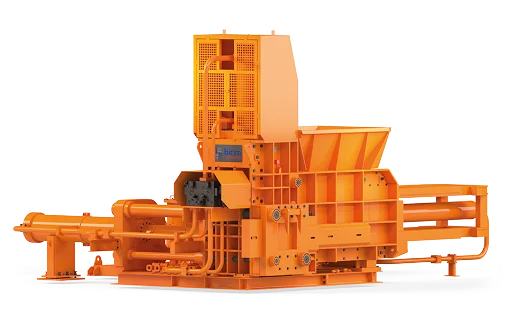
| Leopard | 3 ram continuous baler | 6-65 tons/hour, cycle up to 25 seconds | High, sustained volumes; single machine or integrated plant with loading hoppers and conveyors |
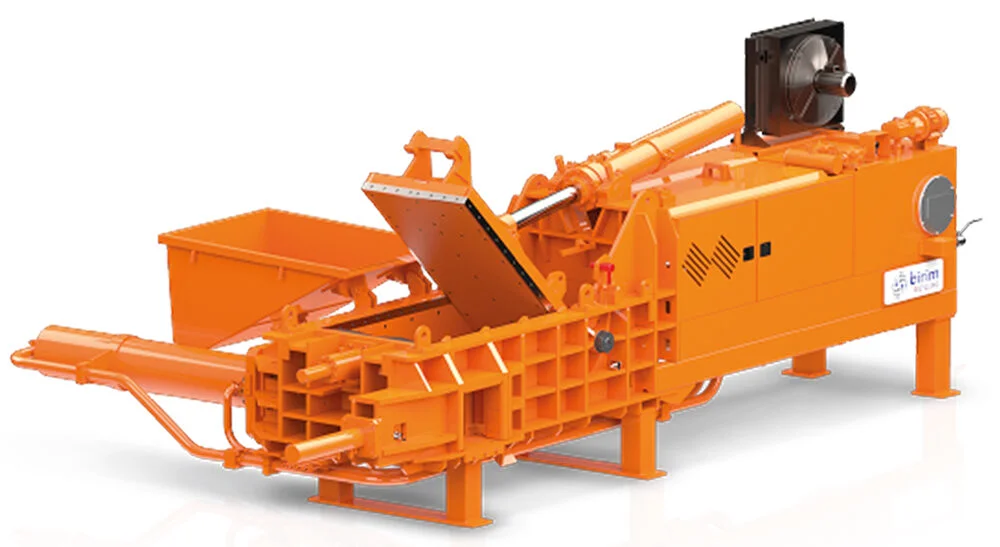
| Tiger | 3 ram lid baler | 1-40 tons/hour | Variable volumes; hopper feeding, bale sizes from 25×25 to 60×60 cm |
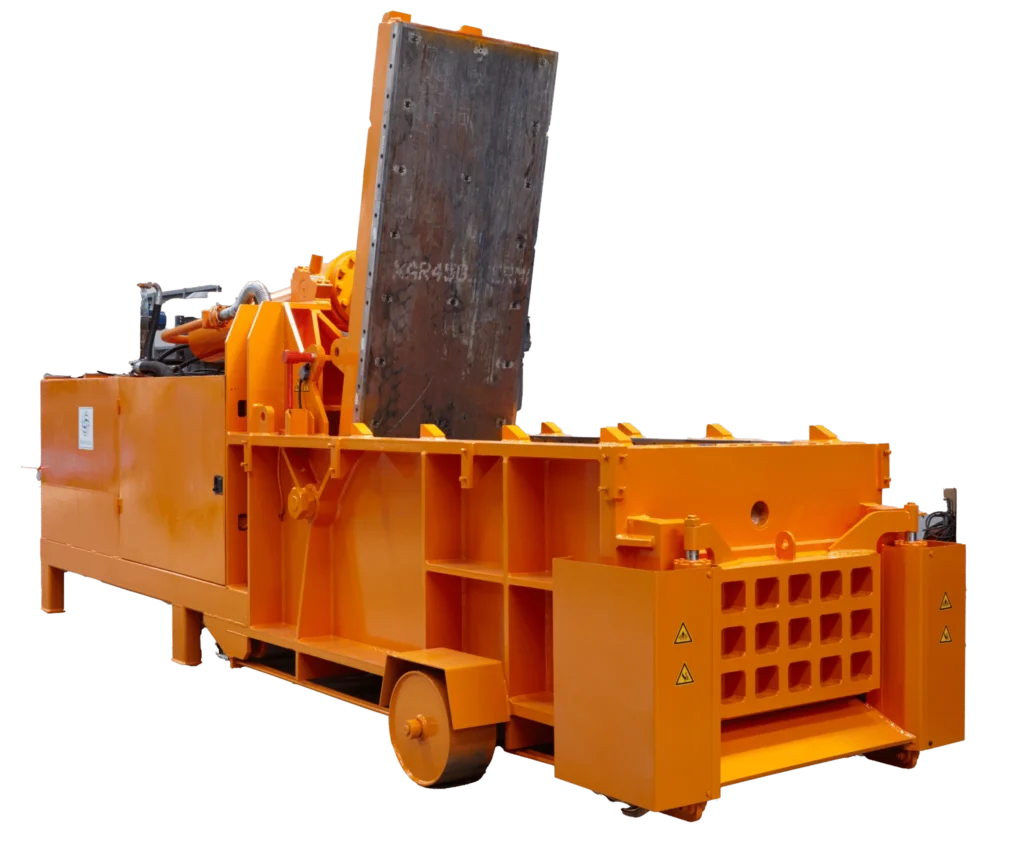
| Puma | 2 ram baler | 1-10 tons/hour | Scrap yards and casting plants; optional hopper |
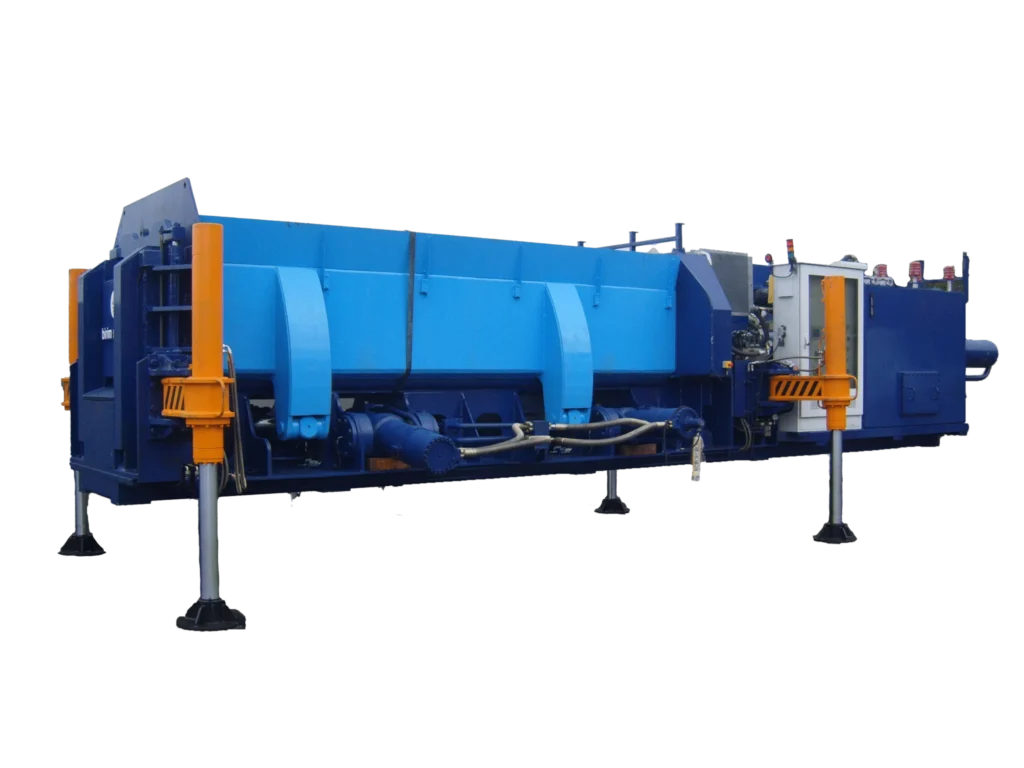
| Car Baler | Special purpose | 15-35 tons/hour | Car bodies, sheets and mixed scrap |
| Can Baler | Special purpose | 0.8-1.6 tons/hour | UBC (used beverage cans), automatic feeding by magnetic separator conveyor, 30 x 50 bales |
What determines the right baler
- Material and form. The broader models are listed for steel, aluminium, stainless steel, copper and brass in forms including sheets, car parts, profiles, mixed scrap, chips, cables, cans and wires.
- Target bale density and size. Bale size is usually set by what the buyer accepts and by how bales stack for transport.
- Feeding arrangement. A continuous baler only delivers its stated capacity when it is fed continuously.
- Operating mode. Automatic, semi automatic and manual options differ between models.
Further reading: types of scrap metal balers, choosing a scrap metal baler and 10 questions to ask a supplier. Share the material and planned operating conditions with us through the contact page for a configuration assessment.
